Covered: Randy Newman, Volume 1: 1963-1973


These are fun of course from Cilla Black to Jackie De Shannon, Alan Price to Joe Cocker, Sarah McLachlan to Dr John
all the covers as broad as they are
follow the links to all 3
Took me a while Randy (81 today) to get this level of humour . . . . . . sheesh but then when you get it . . . .you know by LISTENING! then you get it . . . . . probably couldn’t sing it no mo’!
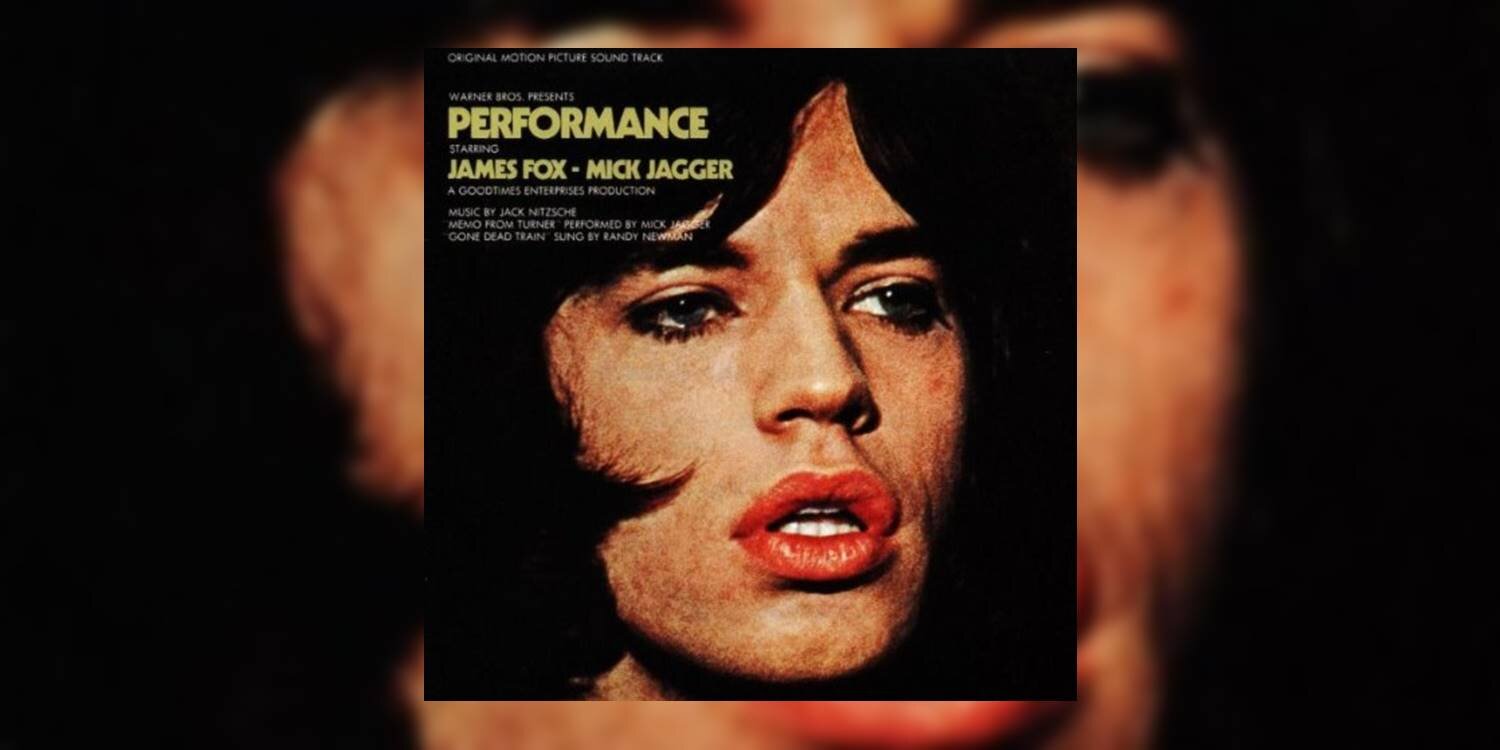
No stranger to scenes of graphic violence in his own movies, it makes complete sense that Quentin Tarantino would be enamoured with a film that proved to be so contentious that the studio which backed the production initially refused to release it.
Written by Donald Cammell – who co-directed alongside Nicolas Roeg – Performance was initially envisioned as a much more light-hearted and comedically-tinged affair, which Cammell proposed as a starring vehicle for his friend Marlon Brando during the earliest stages of development.
The longer it was worked on, though, the darker it became. With the film featuring one of Mick Jagger’s first major acting performances in a role where he played a reclusive rock star, Warner Bros largely stayed away from Performance under the assumption it would be to the Rolling Stones what A Hard Day’s Night was to The Beatles.
Instead, Cammell and Rogue delved deep into sex, psychology, psychedelia, and drug addiction, which took the studio by shock. Legend claims that during a test screening, the wife of an executive threw up after being completely unprepared for what was about to unfold, causing then-boss Ken Hyman to indefinitely shelve the film and deny it a theatrical release.
That stance ultimately softened, albeit after significant re-editing, with Performance released in the United States in the summer of 1970. Among those instantly won over by its unique charms was a young Tarantino, who called it “one of the best movies that has a two-director team”.
The story follows James Fox’s unruly Chas, who ends up on the run from both his criminal boss and the authorities, which leads him directly into the path of Jagger’s hedonistic musician. Gradually putting their mutual distrust to one side, they each become increasingly fascinated with each other’s lifestyle, altering them on a foundational level forever.
“This film is one of the greatest rock movies of all time, and one of the best films that deals with this period,” Tarantino outlined to Sky Cinema when promoting Performance‘s addition to its line-up of classics. “This is the bad side of the psychedelic 1960s dream.”
Never mind Jagger, Tarantino was completely blown away by Fox, who he describes as giving “my favourite British gangster performance of that type.” It was hugely controversial at the time, to such an extent that the studio flat-out refused to make it available to the general public, but Performance has gone on to become an enduring and influential classic that’s inspired many more auteurs beyond the creator of Reservoir Dogs and Pulp Fiction.
The combination of sex, drugs, and rock and roll has always been an alluring one for obvious reasons, and once Warner Bros overcame its skittishness of seeing the three depicted so outrageously on the big screen, Performance was finally given the run in cinemas that it deserved after a few minor tweaks to prevent any more vomiting incidents
.
✍️ Scott Campbell
📸 YouTube
 anne briggscover
B Side to Alan’s Hit now sadly wildly racist hit single and given that it still show one of the only clips from TOTP featuring notorious serial sexual predator and child abuser, the execrable Jimmy Savile ‘Don’t Stop The Carnival’ we will play this in stead! . . . . . .
So he also covered Randy Newmanwhich showed some brighter intelligence and clearer foresight!

